
Pedestrian Safety
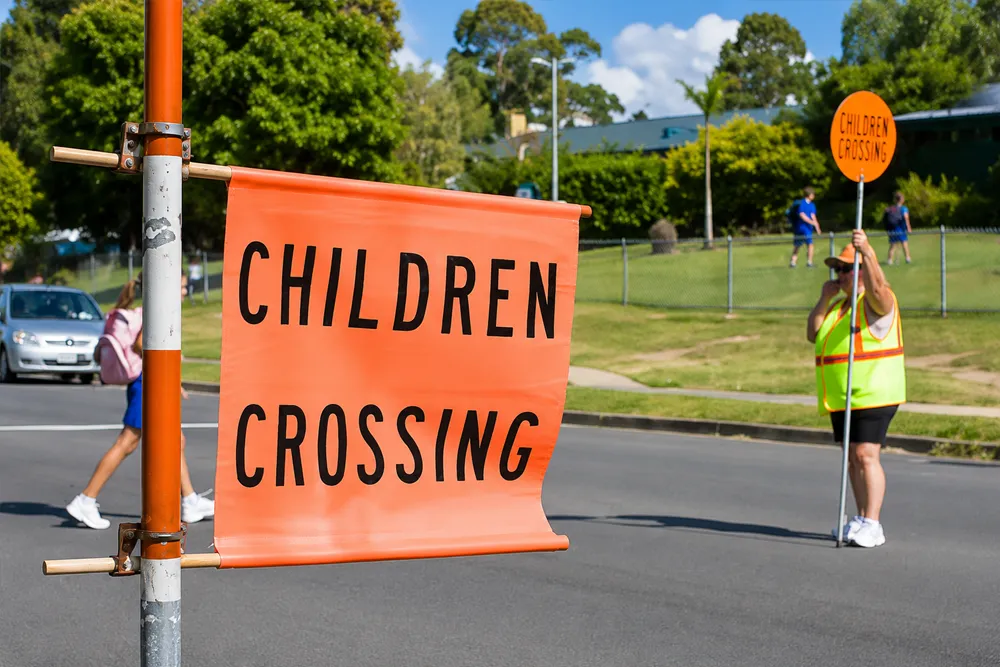
Definition: Pedestrian safety requires that children have safe places to walk and play, are properly supervised when they are in the vicinity of traffic, and learn to use caution when crossing streets. Magnitude of the ProblemThe National Highway Traffic Safety Administration reports that in 2008: According to the American College of Emergency Physicians: PreventionStrategies for improving pedestrian safety include: source: https://www.childrenssafetynetwork.org/child-safety-topics/pedestrian-safety
Off-Road Vehicles Safety

Off-road vehicles (ORVs) are any three-or four-wheeled vehicle that has a motor and is designed for riding on unpaved surfaces. Examples of ORVs include All-Terrain Vehicles (ATVs), snowmobiles, jet skis, and motor bikes. Magnitude of the ProblemAccording to the U.S. Consumer Product Safety Commission: According to the American Academy of Pediatrics: Prevention Some States have passed laws related to ATVs and youth, such as mandating the use of safety equipment; safety education courses; and minimum operator age requirements. Other prevention strategies include educating parents and youth about the skills needed to operate an ATV, the importance of supervision based on developmental skill level, personal protective equipment, having an ATV that is appropriate to the size of the operator, and the dangers of having passengers on ATVs. Few States have enacted snowmobile-related age restrictions or helmet laws. Children as young as 8 years old may legally operate a snowmobile in some States. Age restrictions, graduated licensing, and safety education courses would also be an appropriate intervention to preventing snowmobile related injuries and fatalities in children and youth. Drowning Prevention courses can be useful for teaching safety skills for jet skiers and preventing injury. source:https://www.childrenssafetynetwork.org/child-safety-topics/off-road-vehicles
Home Safety
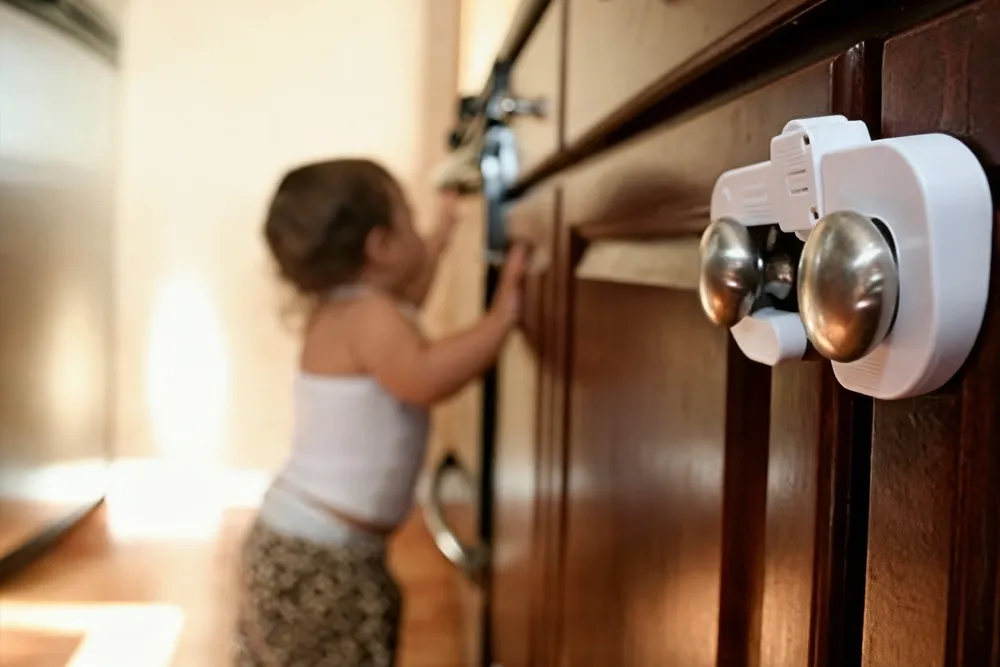
Unintentional injuries that occur in and around the home can include burns, falls, drowning, poisonings (including from lead, carbon monoxide, household cleaners, and prescription medications), animal bites, and choking/suffocation. Magnitude of the ProblemAccording to the CDC: Prevention Home injuries are preventable. Raising awareness among parents and caregivers of the risks of injuries to children in the home, and the importance of implementing safety measures, is the first step in preventing home injuries to children. Home safety checklists are useful tools for parents to assess the risk of injury in their homes. Smoke alarm and carbon monoxide alarm give-away programs in at-risk communities are also useful tools to protect public health. Ensuring playground equipment is safe and properly maintained and has a soft landing surface can help prevent fall injuries in children. Strong State child care licensing regulations can help keep children safe in at-home child care settings. source: https://www.childrenssafetynetwork.org/child-safety-topics/home-safety
Heatstroke in Cars Prevention

Vehicles heat up very quickly, and that heat can be fatal to young children. Children are at a higher risk than adults of dying from heatstroke in a vehicle because their bodies heat up three to five times faster than adults’ (NHTSA). Children who are too young to communicate or open car doors are at particularly high risk from heatstroke in a vehicle (NHTSA). It is never safe to leave a child or children alone in a vehicle. Magnitude of the ProblemAccording to NHTSA: Prevention source: https://www.childrenssafetynetwork.org/child-safety-topics/heatstroke-in-cars
Health Disparities

The burdens and health disparities in child injury are multifold, pressing, and diverse, based on population, geography, and cultural factors. CSN convenes diverse partners to increase coordination and synergy in child safety and develop resources that include new data and advancements and fuel the elimination of systemic and structural barriers. Our disparity data illustrate differences in health outcomes and encourage states and jurisdictions to work with communities to unpack shared risk and protective factors associated with those outcomes and take action. In the United States, structural discrimination and inequitable access to health care has long led to worse injury and violence-related health outcomes for people from racial and ethnic minority groups, LGBTQ+ communities, people with disabilities, households with lower incomes, and rural communities. Evidence of this is all around us. It includes higher rates of infant mortality for Black children and higher rates of suicide for American Indian/Alaska Native youth. The staff of Children’s Safety Network views these inequities as a deeply rooted challenge to public health in our country. For all infants, children and adolescents to be safe and healthy, we must commit to building programs, services, and systems that are equitable and address the impact of historic and present discrimination and exclusion among marginalized populations. Children’s Safety Network: The journey towards true health equity—the ability of every parent, child, and family to achieve their full health potential without discrimination or barrier—will be a long one. We are committed to achieving equity so that infants, children, and adolescents can reach their full potential. source: https://www.childrenssafetynetwork.org/child-safety-topics/health-disparities
Fire & Burn Safety

A burn is an injury to the skin or other organic tissue primarily caused by exposed to heat sources, such as flames, hot surfaces or objects, scald, chemicals, and electricity.1 Magnitude of the ProblemAccording to the 2020-2023 National Electronic Injury Surveillance System (NEISS)2 data operated by the Consumer Product Safety Commission (CPSC), Prevention source: https://www.childrenssafetynetwork.org/child-safety-topics/fire-burn-safety
Firearm Safety

A firearm injury is a gunshot wound or penetrating injury from a weapon that uses a powder charge to fire a projectile. It can be unintentional (accidental firing without intention), intentionally self-inflicted (suicide), interpersonal violence (homicide or assault), legal intervention (injury inflicted by the police or other law enforcement agents acting in the line of duty), or undetermined intent (injury where there is insufficient information to determine intent type). Magnitude of the ProblemBetween 2022 and 2024, an average of approximately 4,300 children and adolescents ages <1 to 19, died each year from firearm-related injuries.1 Among firearm-related injury deaths, homicide accounts for the highest rate. According to the 2022-2024 CDC WISQARS1: Disparities are noted across types of firearm deaths. Black children and adolescents experienced firearm homicide deaths at a rate approximately 19.5 times higher than that of their White counterparts (15.6 versus 0.8 per 100,000). Among adolescents aged 10–19, American Indian/Alaska native adolescents had the highest rate of firearm-related suicide deaths (7.1 per 100,000), followed by White (3.5 per 100,000) and Black adolescents (3.4 per 100,000). PreventionReducing firearm-related injuries require comprehensive prevention strategies. Best practices include2: source: https://www.childrenssafetynetwork.org/child-safety-topics/firearm-safety
Falls Prevention

A fall is an unplanned and sudden descent to the ground, the floor, or a lower level that may result in injury. Magnitude of the Problem Falls are the leading cause of non-fatal injuries among children ages 0-19, accounting for nearly 28,000 hospital admissions and 1.7 emergency department visits each year1. They are the leading cause of traumatic brain injury (TBI) among children and adolescents2. Falls among children and adolescents are often associated with consumer products, including home furnishings/fixtures (stairs, beds, floors, etc.) and sports/recreation (basketball, monkey bars, skateboards, etc.)3. PreventionStrategies to protect children from fall-related injuries include: source: https://www.childrenssafetynetwork.org/child-safety-topics/falls
Drowning Prevention

Drowning is a respiratory impairment caused by being submerged or immersed in water. Childhood drowning commonly occurs when a child is left unattended or during a brief lapse in attention (World Health Organization, 2023). Magnitude of the ProblemAccording to 2017-2020 Centers for Disease Control and Prevention (CDC) WISQARS data: The highest risk locations for drowning vary by age. Among infants under 1 year old, two thirds of all drownings occur in bathtubs. Among children ages 1–4, most drownings happen in home swimming pools. About 40% of drownings among children ages 5-14 occur in natural water, and about 30% occur in swimming pools. More than half of fatal and nonfatal drownings among people 15 years and older occur in natural waters like lakes, rivers, or oceans (CDC, 2023). PreventionSome key recommendations to prevent drowning from the American Academy of Pediatrics (2020): source: https://www.childrenssafetynetwork.org/child-safety-topics/drowning-prevention
Choking & Strangulation Prevention
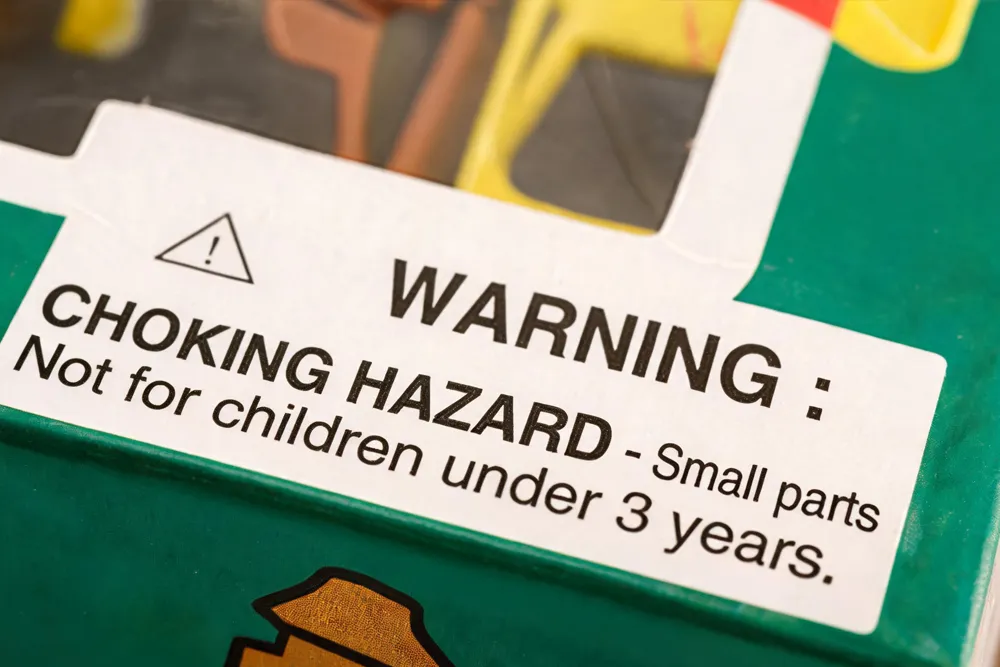
Asphyxiation includes suffocation, choking, and strangulation, all of which can result in death and permanent brain damage for children whose internal or external airways are blocked by foreign objects, such as food, coins, window blind cords, or even blankets. Magnitude of the ProblemAccording to SafeKidsUSA, in 2009: Prevention The majority of incidents of childhood suffocation, strangulation, and choking occur in the home. Product design, regulation, and recalls can help prevent injuries and death due to asphyxiation in young children (e.g., the requirement that toys passing a small parts test for children less than 3 years of age and recalls of dangerous toys by the U.S. Consumer Product Safety Commission). Other strategies for preventing asphyxia include educating families, care givers, and child care providers on age-appropriate food items and sizes for safe ingestion as well as age-appropriate toys; supervising children while they are eating and playing; and scanning the home environment for possible hazards. source: https://www.childrenssafetynetwork.org/child-safety-topics/choking-strangulation
