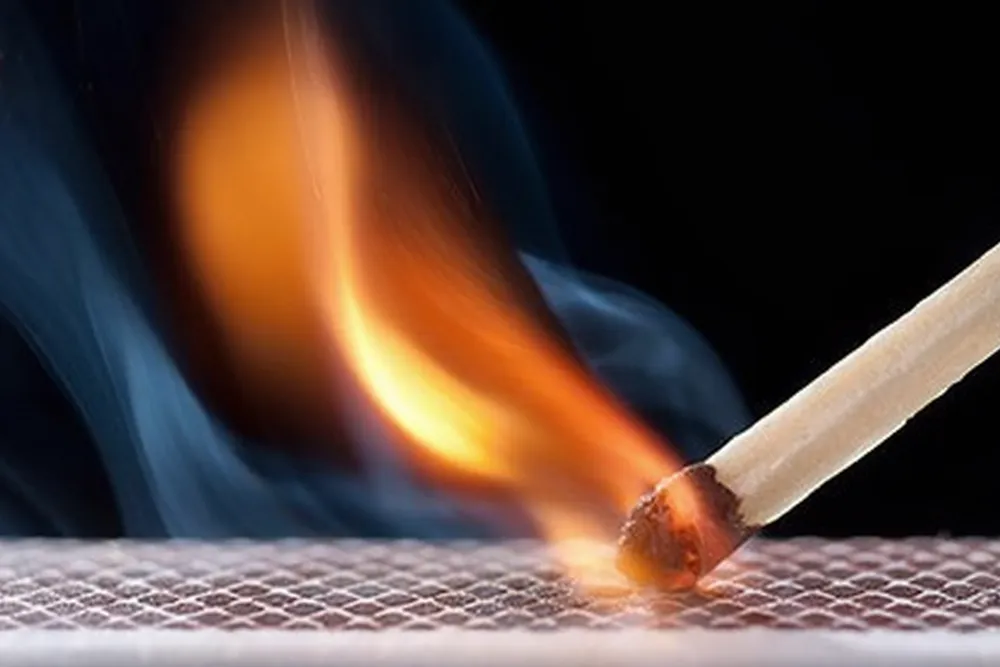
A burn is an injury to the skin or other organic tissue primarily caused by exposed to heat sources, such as flames, hot surfaces or objects, scald, chemicals, and electricity.1
Magnitude of the Problem
According to the 2020-2023 National Electronic Injury Surveillance System (NEISS)2 data operated by the Consumer Product Safety Commission (CPSC),
- There were approximately 296,299 unintentional, non-fatal burns treated in emergency departments related to consumer products among infants, children, and adolescents ages <1–19. This reflects an average of over 74,000 non-fatal burn injuries per year.
- The youngest children had the highest rates of burn injuries, and children ages 0-4 years made up 51.5% of burn cases in the <1-19 age group.
- Most (56.4%) of the burn injuries involved consumer products that are used for preparing, serving, or consuming food or drink. Frequently reported products associated with burn injuries included hot water (21.0%), glasses, cups, and mugs (9.5%), ranges or ovens (7.9%), cookware (6.3%), tableware and accessories (5.9%), and microwave ovens (5.8%).
- The hand was the body part most involved in burns injuries (32.6%). Other frequently affected body parts included trunk (21.0%), face (11.3%), and eyeball (8.0%).
- Beyond inflicting physical harm, burns can affect children and their families psychologically immediately and long-term.3,4 And while burns are common among people of all ages, children are especially vulnerable because of their curious nature, lower awareness of danger, and inability to best respond to threat of injury.
Prevention
- Increase adult education and improve supervision, especially among caregivers with young children.
- Take extra care in keeping children at a safe distance during food/drink preparation to prevent burns.
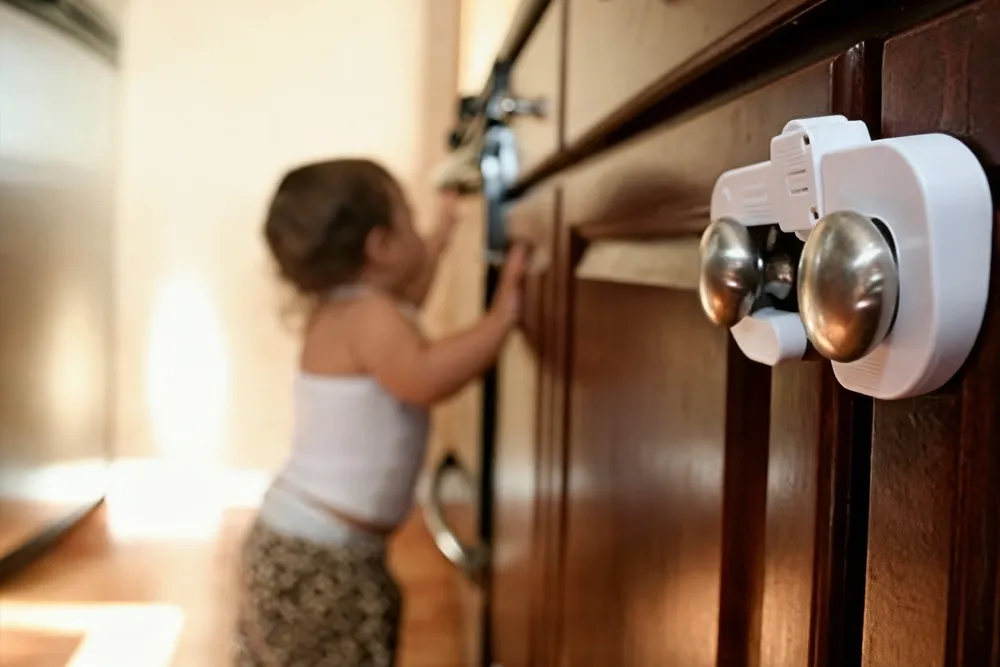
- Keep dangerous products out of reach or locked away.
- Regulate and enforce the temperature of water heaters that are preset by manufacturers can also help to limit pediatric burn incidents. The recommended preset temperature is 120oF.
- Families are recommended to attend public fireworks displays rather than use commercial fireworks at home.
source: https://www.childrenssafetynetwork.org/child-safety-topics/fire-burn-safety