Child Passenger Safety

Child passenger safety requires consistent use of correctly installed safety seats, booster seats, or seat belts that are appropriate for a child’s height, weight, and age. Magnitude of the Problem PreventionStrategies to improve child passenger safety include: source: https://www.childrenssafetynetwork.org/child-safety-topics/child-passenger-safety
Child Maltreatment Prevention
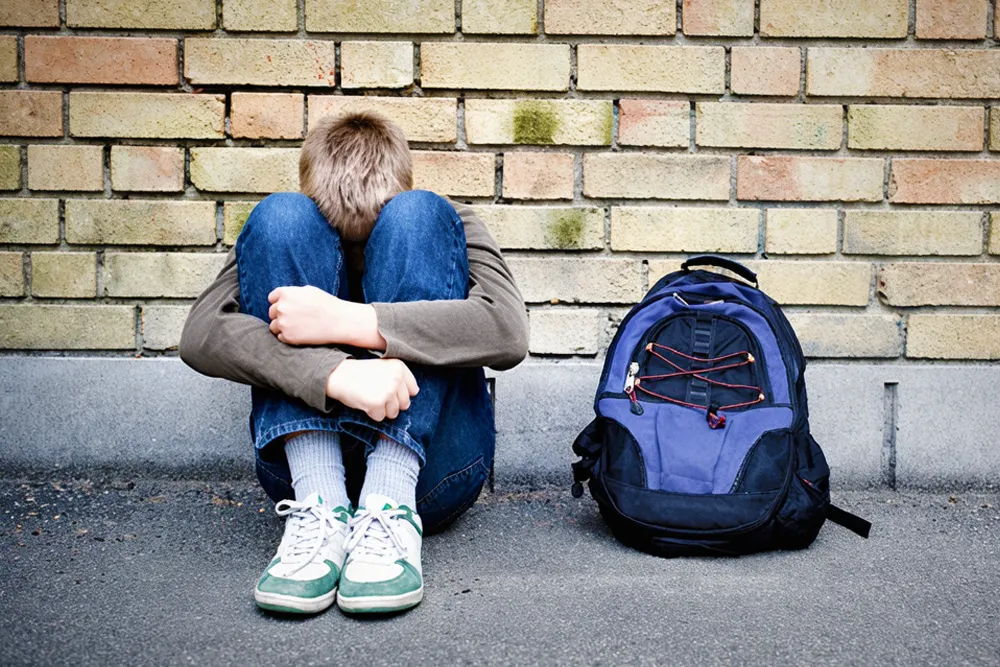
Child maltreatment includes the physical, sexual, emotional abuse or neglect of a child or adolescent by an adult. Magnitude of the Problem Child Protective Services (CPS) estimated that there were 695,000 victims of child maltreatment in the U.S. during the 2010 fiscal year. According to a CDC study, child maltreatment costs the country close to $124 billion each year. It is associated with a number of short- and long-term health problems and injuries, such as Prevention While providing services to children who have been abused or neglected is essential, the public health approach to child maltreatment relies on a primary prevention focus, examining and addressing risk factors associated with abuse and creating programs that support and promote healthy and safe relationships, such as home visiting programs for new parents. source: https://www.childrenssafetynetwork.org/child-safety-topics/child-maltreatment
Child Care Safety
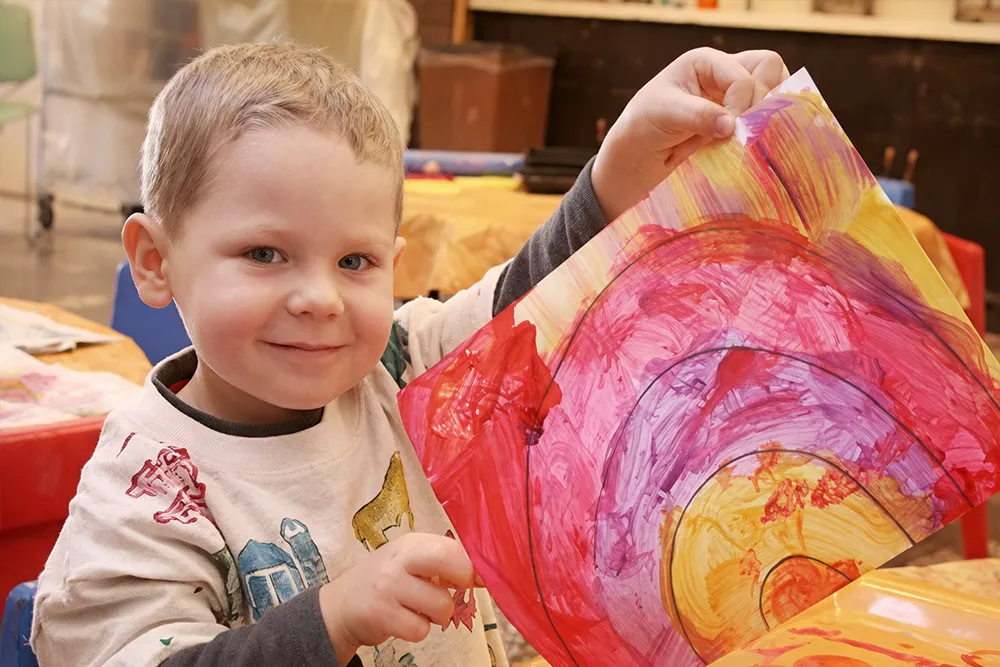
Child care safety concentrates on protecting young children from hazards and diseases in child care settings such as day care centers; child care homes; preschools; and before- and after-school programs. Magnitude of the Problem According to the American Academy of Pediatrics, a majority of children in the U.S. are enrolled in out of home child care programs. Some factors that contribute to injuries in this setting include: Prevention Regulation and inspections of child care setting vary across the country. Oversight of out of home child care safety lies with individual states, each of which develops its own regulations. The American Academy of Pediatrics, American Public Health Association, and the National Resource Center for Health and Safety in Child Care Settings have developed national guidelines that can help to inform the development of state regulations and help parents evaluate out of home child care settings to assure the health and safety of their children. These include safety guidelines relating to playgrounds, strangulation hazards, child passenger safety, safe sleep practices, and more. source: https://www.childrenssafetynetwork.org/child-safety-topics/child-care-safety
Bullying Prevention

Bullying is an aggressive behavior and a form of abuse repeated over time and involving an imbalance of power. It can be physical, verbal, or emotional and can occur via e-mail or online (cyberbullying). Magnitude of the ProblemAccording to the CDC Youth Risk Behavior Surveillance System, in 2019: Bullying can adversely affect the mental and physical health of victims and interfere with their academic progress. Those who bully have a greater likelihood of engaging in antisocial and violent behavior. PreventionPrevention efforts for schools should: Prevention efforts for parents should include: source: https://www.childrenssafetynetwork.org/child-safety-topics/bullying-prevention
Bike Safety
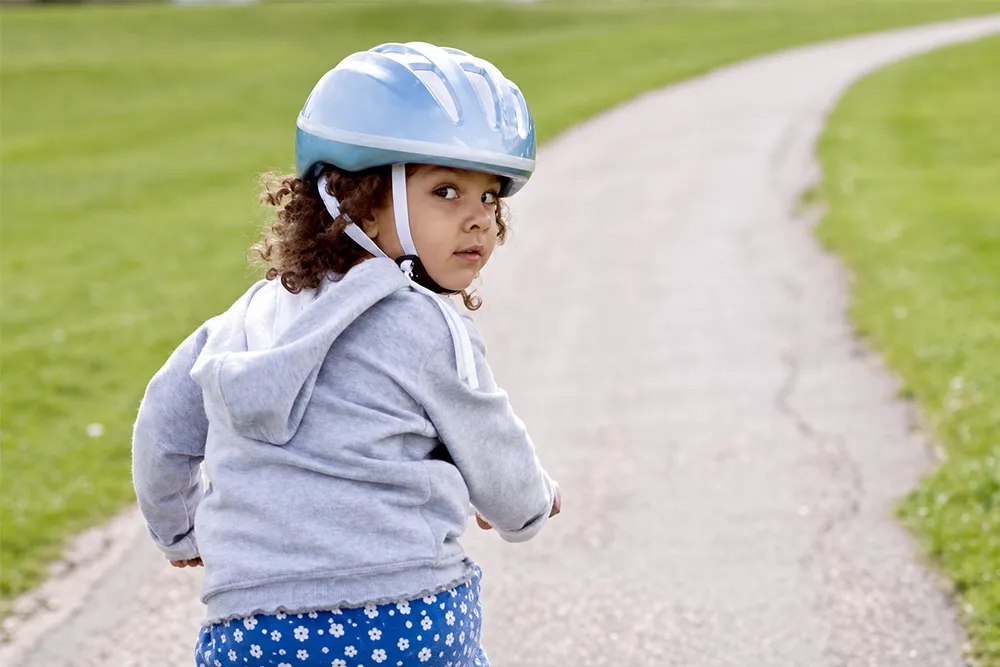
Definition: Bike safety requires consistent and correct use of helmets and compliance with legal riding practices to prevent collisions with motor vehicles, pedestrians, and other bicyclists. Magnitude of the Problem According to Safe Kids Worldwide, there were 102 fatal injuries due to bicycle injuries to Children in 2020, which is about 2 fatal injuries per week. And approximately 136, 753 children visited the ER for bicycle-related injuries during 2020. Data show that the highest age group incurring injuries were 15–19-year-olds; and males accounted for 9 out of 10 fatalities. Injuries increased during the months of August and September and were more slightly more frequent on the weekends. According to the CDC, recommendations for bicycle safety include: Additionally, bicyclists account for over 2% of people who die in a crash according to the CDC. And nearly 1, 000 bicyclists die and over 130, 000 are injured in crashes with motor vehicles in the United States. *Note that according to the CDC, a bicycle refers to bicyclists and other cyclists including riders of two-wheel, nonmotorized vehicles, tricycles, and unicycles powered only by pedals. PreventionStrategies to improve bicycle safety include: source: https://www.childrenssafetynetwork.org/child-safety-topics/bike-safety
Keeping kids safe in and around water: exploring misconceptions that lead to drowning
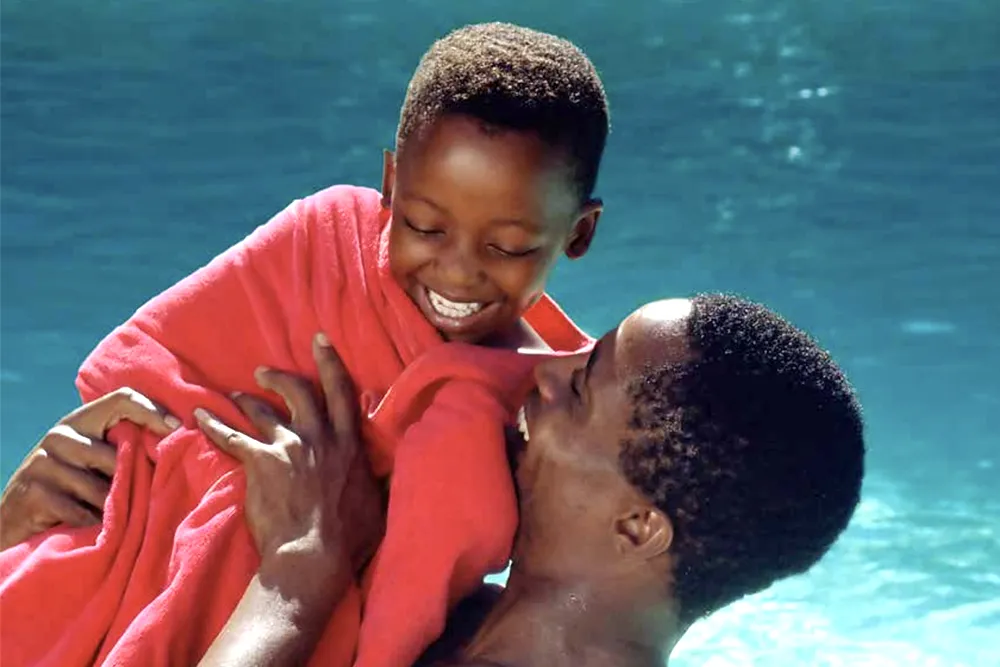
Read our new research report. It uncovers misconceptions families have that can lead to drowning and shows them how to keep kids safe in and around water.
Greater Accra Regional Hospital host the launch of CHSO
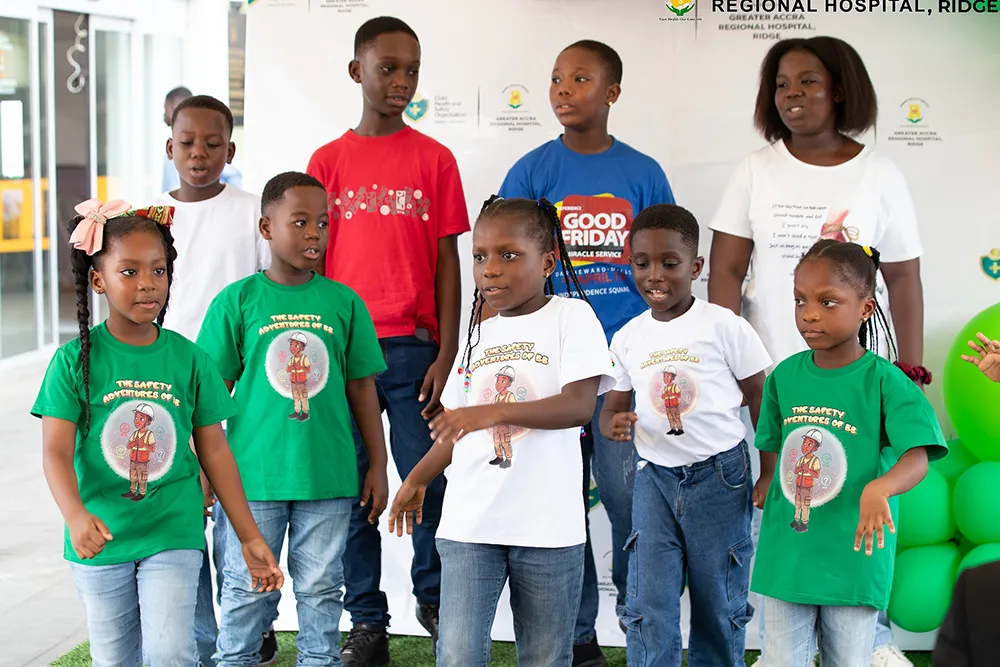
The Greater Accra Regional Hospital today hosted the launch of the Child Health and Safety Organisation (CHSO) under the theme:“From Treatment to Prevention: Protecting Children Through Safety Awareness.” The event brought together health professionals, partners, and stakeholders committed to reducing preventable child injuries through education and advocacy.In his address, the Founder of CHSO, Mr. Samuel Frimpong, shared the inspiration behind the initiative and outlined a vision for a nationwide movement focused on child safety. The Medical Director, Dr. Leslie Issa Adam-Zakariah reaffirmed the Hospital’s role as a Principal Health Partner, emphasizing the need for healthcare institutions to go beyond treatment and actively support prevention.The head of the burns and reconstruction department, Dr. Charles K. Asiedu provided valuable context on the urgent need for child injury prevention, emphasizing the real-life impact of avoidable accidents on families and the health system, and underscored the importance of sustained public education, community engagement, and collaborative action among stakeholders to reduce these preventable incidents. A key highlight was the symbolic launch of CHSO, including the unveiling of its banner and introduction of the team, alongside the presentation of The Safety Adventures of BB, a child-focused educational book series.Delivering remarks on behalf of the Ghana Health Service, Madam Grace Eddy Amewu stressed that shifting from treatment to prevention is essential to saving children’s lives. She noted that many risks—such as burns, drowning, poor hygiene, and road accidents—are preventable through increased safety awareness at home, in schools, and in communities. She emphasized that prevention not only protects children’s health but secures their future. The event concluded with a call for continued collaboration to promote child safety through awareness, education, and community action. Source: GARH- RIDGE’s Facebook Post. April 28 2026
Hot Water Burns Lead Child Injury Cases at Ridge Hospital

Hot water burns are the most common injuries among children treated at Greater Accra Regional Hospital, according to the facility’s Medical Director, Dr. Leslie Issa Adam-Zakaria. Speaking at the launch of the Child Health and Safety Organisation in Accra, he said many of the cases seen at the hospital’s emergency and burns units are linked to children being exposed to boiling water at home. Some fall into hot water in kitchens, while others are splashed during bathing or cooking. He said beyond burns, the hospital also records cases of children falling from heights, being knocked down by motorbikes while crossing roads, or ingesting harmful substances such as caustic soda and acids mistakenly taken as drinks. In some instances, children suffer injuries after falling into open gutters. Dr. Adam-Zakaria stressed that most of these cases are preventable, pointing to weak safety practices at home and in communities. He said simple steps such as keeping hot liquids out of children’s reach, properly storing chemicals, and improving supervision could significantly reduce the risks. Founder of the Child Health and Safety Organisation, Samuel Frimpong, said the initiative was driven by a personal experience after his child suffered severe burns at home. He said during their stay at the hospital, several other children with similar injuries were admitted, with some deaths recorded, which exposed the scale of the problem. He said this pushed him to act, leading to the creation of the organisation to focus on prevention through research, education, advocacy, and partnerships. According to him, the initiative also uses storytelling and child-friendly methods to teach safety habits early, helping children understand risks and how to avoid them. Dr. Adam-Zakaria added that tackling the issue will require sustained public education and stronger collaboration between health institutions, communities, and organisations working in child safety. source: voicesofconcern.com
CHSO launched to tackle rising preventable child injuries
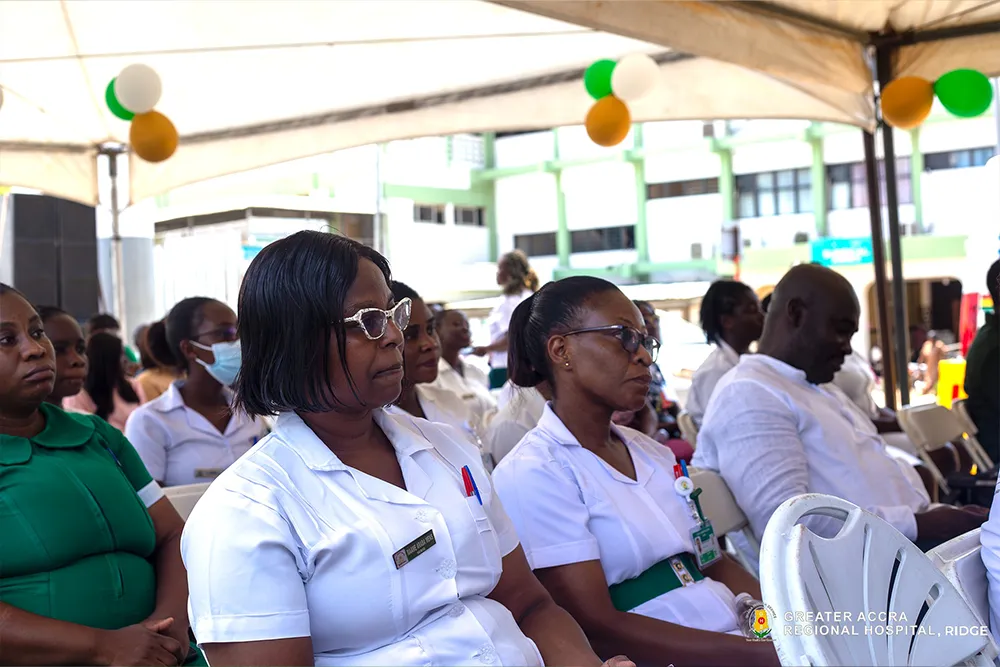
Stakeholders in the health and education sectors have called for urgent national action to address the growing burden of preventable childhood injuries, following the launch of the Child Health and Safety Organisation (CHSO) in Accra. Officials present at the launch in a group photoThe initiative, unveiled at the forecourt of the Greater Accra Regional Hospital in Ridge, on Tuesday, is aimed at promoting early safety education, raising awareness and reducing avoidable injuries among children. Founder of CHSO, Samuel Frimpong, said the organisation was inspired by a personal experience involving his son, which exposed critical gaps in child safety awareness within homes and communities. “Today is not just a launch, it is a testimony,” he told participants. “Sometimes one child’s story becomes a call to protect thousands.” He recounted how a traumatic incident involving his son shifted his perspective on safety, despite his nearly two decades of experience in occupational health and safety. “In that moment, my professional experience did not matter. All that mattered was one question – Could this have been prevented?” he said. Mr. Frimpong noted that his time at the hospital revealed a troubling pattern of children being admitted with injuries that were largely preventable. “Almost every day, new children were brought in, some crying in pain, others fighting for their lives. Many of these cases could have been avoided,” he said. Citing global estimates, he said nearly one million children die annually from preventable injuries, while millions more suffer long-term consequences from burns, falls, drowning, poisoning and road traffic incidents. He stressed the need to prioritise safety education alongside traditional academic learning. “We teach children mathematics, science and language, but how often do we teach them safety?” he asked. As part of its interventions, CHSO will focus on Research, Education, Advocacy and Partnerships (REAP), working with schools, healthcare institutions and communities to promote child safety. A key component of the initiative is “The Safety Adventures of Bibi”, a 12-part children’s book series designed to teach safety lessons through storytelling. “Children learn best through stories. If one story can help one child avoid injury, then this mission is worth it,” Mr. Frimpong said. Medical Director of the Greater Accra Regional Hospital, Dr. Zakaria Adams, described the initiative as timely, noting that the facility regularly treats children with injuries that could have been prevented. “A lot of the injuries we see occur at home. Children drink harmful substances like kerosene or get burned during everyday activities,” he said. He added that recurring cases of similar injuries point to a lack of awareness among caregivers. “You cannot prevent what you do not know. Awareness is critical if we are to reduce these cases,” Dr. Adams emphasised. He also highlighted the economic and emotional toll on families, explaining that caregivers often have to suspend work to care for injured children, placing additional strain on households and the healthcare system. “This becomes a burden not just for families, but for the hospital and the nation,” he said. Dr. Adams assured that the hospital would provide technical support to CHSO through its health promotion unit and encouraged other health facilities to partner the organisation. He further called on policymakers and local authorities to prioritise child safety in infrastructure planning. The initiative also promotes the “Safety Sense” framework – STOP, LOOK, THINK, ASK – as a practical guide to help children identify and avoid danger. Organisers expressed hope that sustained collaboration and public education will significantly reduce preventable injuries among children. Source: thechronicle.com.gh. By JENNIFER AMBOLLEY – April 29, 2026
